WHAT?;
Disco is a musical style originating in the early 1970s. It began to emerge from America's urban nightlife scene, where it had been restricted to house parties and makeshift discotheques from the middle of the decade onwards, after which, it began making regular mainstream appearances, gaining popularity and increasing airplay on radio.
Its popularity was achieved sometime during the mid-1970s to the early 1980s. Its initial audiences in the U.S. were club-goers, both male and female, from the African American, Italian American, Latino, and psychedelic communities in Philadelphia, Chicago, San Francisco, and New York City during the late 1960s and early 1970s.
Disco can be seen as a reaction against both the domination of rock music and the stigmatization of dance music by the counterculture during this period. Several dances styles were also developed during this time including the Bump and the Hustle.
THE SOUND;
The disco sound often has several components, a "four-on-the-floor" beat, an eighth note (quaver) or 16th note (semi-quaver) hi-hat pattern with an open hi-hat on the off-beat, and a prominent, syncopated electric bass line.
In most disco tracks, string sections, horns, electric piano, and electric rhythm guitars create a lush background sound. Orchestral instruments such as the flute are often used for solo melodies, and lead guitar is less frequently used in disco than in rock. Many disco songs use electronic synthesizers, particularly in the late 1970s.
DISCO CLUBS AND CULTURE;
Disco Dancing -
In the early years, dancers in discos danced in a "hang loose" or "freestyle" approach. At first, many dancers improvised their own dance styles and dance steps. Later in the disco era, popular dance styles were developed, including the "Bump", "Penguin", "Boogaloo", "Watergate" and the "Robot". By October 1975 The Hustle reigned. It was highly stylized, sophisticated and overtly sexual. Variations included the Brooklyn Hustle, New York Hustle and Latin Hustle.
During the disco era, many nightclubs would commonly host disco dance competitions or offer free dance lessons. Some cities had disco dance instructors or dance schools, which taught people how to do popular disco dances such as "touch dancing, "the hustle, and the cha cha".
Disco Fashion -
Disco fashions were very trendy in the late 1970s. Discothèque-goers often wore glamorous, expensive and extravagant fashions for nights out at their local disco club. Some women would wear sheer, flowing dresses, such as Halston dresses or loose, flared pants. Other women wore tight, revealing, sexy clothes, such as backless halter tops, "hot pants" or body-hugging spandex bodywear or "catsuits". Men would wear shiny polyester Qiana shirts with colourful patterns and pointy, extra wide collars, preferably open at the chest. Men often wore Pierre Cardin suits, three piece suits with a vest and double-knit polyester shirt jackets with matching trousers known as the leisure suit. Men's leisure suits were typically form-fitted in some parts of the body, such as the waist and bottom, but the lower part of the pants were flared in a bell bottom style, to permit freedom of movement.
During the disco era, men engaged in elaborate grooming rituals and spent time choosing fashion clothing, both activities that would have been considered "feminine" according to the gender stereotypes of the era. Women dancers wore glitter makeup, sequins or gold lamé clothing that would shimmer under the lights. Bold colours were popular for both genders. Platform shoes and boots for both genders and high heels for women were popular footwear. Necklaces and medallions were a common fashion accessory. Less commonly, some disco dancers wore outlandish costumes, dressed in drag, covered their bodies with gold or silver paint, or wore very skimpy outfits leaving them nearly nude; these uncommon get-ups were more likely to be seen at invitation-only New York City loft parties and disco clubs.
Drug Culture and Sexual Promiscuity -
In addition to the dance and fashion aspects of the disco club scene, there was also a thriving club drug subculture, particularly for drugs that would enhance the experience of dancing to the loud, bass-heavy music and the flashing coloured lights, such as cocaine (nicknamed "blow"), amyl nitrite "poppers", and the "... other quintessential 1970s club drug Quaalude, which suspended motor coordination and gave the sensation that one's arms and legs had turned to "Jell-O." Quaaludes were so popular at disco clubs that the drug was nicknamed "disco biscuits". According to Peter Braunstein, the "massive quantities of drugs ingested in discotheques produced the next cultural phenomenon of the disco era: rampant promiscuity and public sex. While the dance floor was the central arena of seduction, actual sex usually took place in the nether regions of the disco: bathroom stalls, exit stairwells, and so on. In other cases the disco became a kind of 'main course' in a hedonist's menu for a night out. Famous disco bars included the Paradise Garage and Crisco Disco as well as "... cocaine-filled celeb hangouts such as Manhattan's Studio 54," which was operated by Steve Rubell and Ian Schrager. Studio 54 was notorious for the hedonism that went on within; the balconies were known for sexual encounters, and drug use was rampant. Its dance floor was decorated with an image of the "Man in the Moon" that included an animated cocaine spoon.
Disco-style typography;


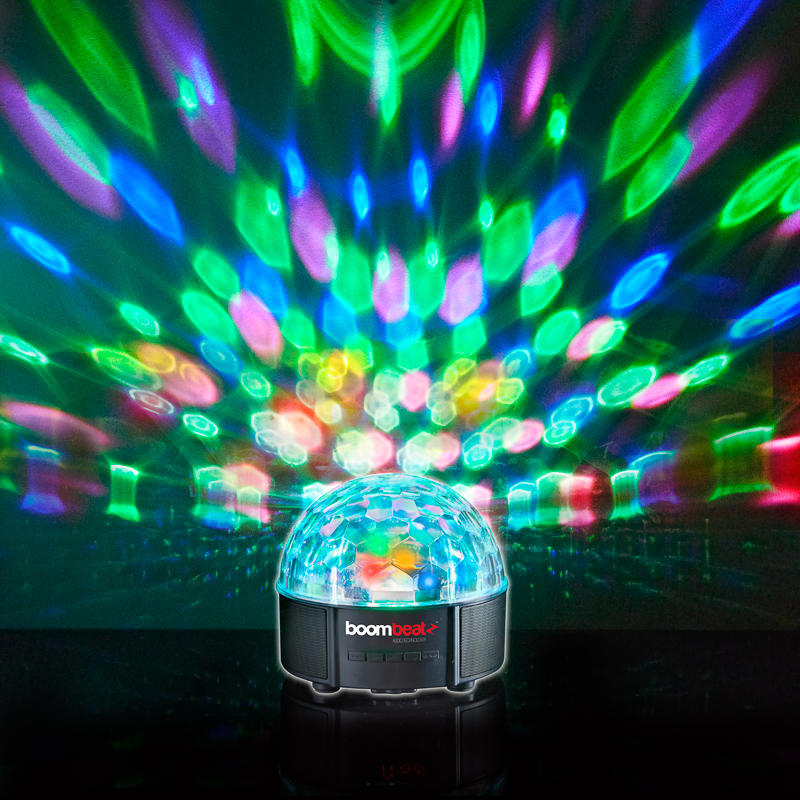
Disco Objects;


Disco-style typography;


Disco Objects;

No comments:
Post a Comment